
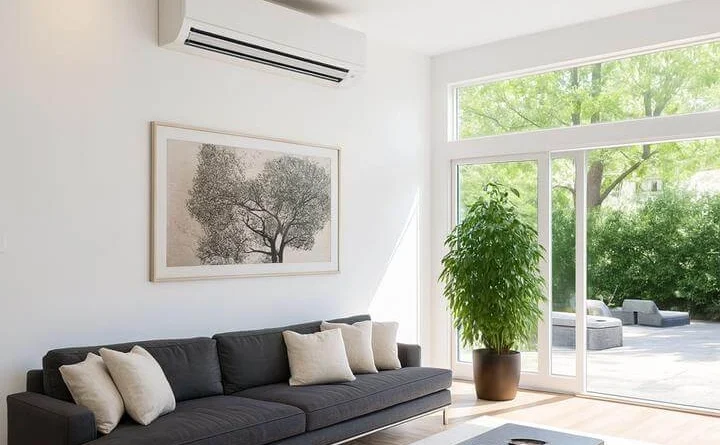
Choosing the right heat pump size is one of the most important decisions for New Zealand homeowners. Pick a unit that’s too small, and it won’t heat or cool your rooms properly. Pick one that’s too big, and you’ll waste energy and money.
So you might be asking yourself: What size heat pump do I need? NZ homes vary a lot, from compact apartments in Auckland to larger houses in Christchurch or Wellington. Room size, ceiling height, insulation, and window placement all affect how much heating or cooling you need.
In this blog, we’ll talk about how to choose the right heat pump size for your place.
Benefits Of Properly Sized Heat Pumps
Choosing the right heat pump size offers several advantages:
- Energy Savings: Avoid oversizing, which wastes electricity.
- Comfort: Provides consistent temperatures without hot or cold spots.
- Longer Lifespan: Units sized correctly cycle less, reducing wear and tear.
- Reduced Noise: Smaller units in bedrooms or offices run quieter.
- Better Integration: Works seamlessly with hot water heating, mechanical services, and air conditioning systems in your home.
Factors That Affect Heat Pump Size
Before looking at room-specific recommendations, consider these key factors:
- Room Area: Larger rooms need more power.
- Ceiling Height: Higher ceilings require more heating or cooling capacity.
- Insulation: Well-insulated rooms retain heat better, meaning a smaller unit may suffice.
- Windows & Sunlight: South-facing rooms or rooms with large windows may need extra capacity in winter.
- Climate: Homes in colder regions like Queenstown may need higher capacity units than Auckland homes.
These factors influence the heat pump’s energy efficiency, which affects running costs and comfort.
Room-By-Room Guide
1. Living Room
The living room is often the largest space in the house and usually the area where the family spends the most time. Because of its size and central role, it needs a heat pump that can deliver consistent warmth or cooling throughout the space. Open-plan living areas, which are increasingly common in modern NZ homes, can lose heat quickly, so sizing is particularly important here.
Recommended Size: 4.0–6.0 kW for average NZ living rooms between 20–35 m².
Tips :
- If your living room has high ceilings, consider a larger unit to maintain even warmth at floor level.
- Open-plan layouts may require additional units or a ducted system to avoid cold spots.
- Combine with air conditioning mode in summer to keep the room comfortable year-round.
- Ensure the unit’s airflow direction reaches seating areas without blowing directly onto occupants.
2. Bedroom
Bedrooms are smaller but need consistent, gentle warmth for a good night’s sleep. Unlike living areas, bedrooms don’t need rapid heating but should maintain a stable temperature overnight. Noise levels are also important here because a loud unit can disrupt rest.
Recommended Size: 2.5–3.5 kW for rooms around 12–18 m².
Tips :
- Smaller bedrooms with good insulation can work with the lower end of this range.
- Look for units with quiet operation modes to reduce sleep disruption.
- Position the heat pump so airflow does not blow directly on the bed.
- Consider smart thermostats or timers to automatically turn the unit down while sleeping.
3. Kitchen
Kitchens generate additional heat from cooking, ovens, and appliances, which means the heat pump does not have to work as hard. However, good airflow is still important to avoid temperature swings and remove cooking odours.
Recommended Size: 2.5–3.0 kW for standard NZ kitchens.
Tips :
- Avoid placing the unit directly above the stove or cooking area to prevent inaccurate temperature readings.
- Use the heat pump in combination with extractor fans or ventilation systems to maintain air quality.
- In open-plan kitchens connected to dining or living areas, consider a slightly larger unit to cover the adjoining space.
- Keep doors or partitions in mind when sizing, as they can influence airflow efficiency.
4. Bathroom

Bathrooms are usually smaller rooms but often have high humidity, especially in NZ homes where showers are used frequently. A compact heat pump works well here, and it can be complemented by other heating methods such as heated towel rails or wall-mounted radiant panels.
Recommended Size: 1.5–2.0 kW for bathrooms up to 8 m².
Tips :
- Choose a model rated for humid environments to prevent moisture damage.
- Position the unit to dry the room effectively without blowing directly on wet surfaces.
- For very small bathrooms, a combined heat pump and towel rail setup may be more efficient.
- Ensure proper ventilation to manage condensation and protect walls and cabinetry.
5. Home Office
Home offices need consistent temperature control to maintain comfort and productivity, especially with more New Zealanders working from home. Units should deliver steady heat without creating drafts that distract from work.
Recommended Size: 2.0–3.0 kW for rooms 10–15 m².
Tips :
- Position the heat pump so it does not blow directly onto desks or monitors.
- Combine with ventilation for fresh air, especially if windows remain closed.
- Use programmable or smart controls to adjust temperature during work hours.
- Consider units with energy-saving modes if the office is unused at night or at weekends.
6. Garage or Workshop
Garages and workshops are larger, often less insulated, and may require flexible heating options. They are not typically used continuously, so portable or ducted heat pumps are practical choices. These spaces also often have doors that open frequently, which affects heating efficiency.
Recommended Size: 3.5–5.0 kW, depending on room size and insulation quality.
Tips :
- Choose units that can quickly heat the space when needed but are energy-efficient when idle.
- Portable units can be moved to different areas of a workshop as needed.
- For attached garages, consider insulating walls and doors to reduce the required capacity.
- Ducted systems are ideal for large workshops to provide even heating across the space.
- Consider combining with air conditioning for summer comfort or to cool electronics and equipment.
Additional Tips For Choosing Heat Pump Size
- Check Manufacturer Guidelines: Most brands provide a sizing chart based on room area.
- Consider Ceiling Height: Add extra capacity for rooms over 2.7 meters high.
- Open Plan Living Areas: Use a larger unit or multiple smaller units to ensure even heating.
- Insulation Quality: Upgrading insulation can allow a smaller, more energy-efficient heat pump.
- Energy Efficiency Ratings: Look for high COP (Coefficient of Performance) for heating and SEER ratings for cooling.
- Professional Assessment: For complex layouts, hire an installer to calculate the correct size. This ensures your system works efficiently and lasts longer.
Conclusion
Selecting the correct heat pump size is essential for comfort, energy efficiency, and cost savings in New Zealand homes. Consider each room individually, factoring in size, insulation, and layout. Living rooms generally need the most powerful units, while bedrooms and bathrooms can use smaller models.
If you’re unsure which size is right, consult a professional installer. At Sona Air, we help NZ homeowners choose and install heat pumps tailored to each room for maximum comfort and efficiency. Contact our team to get expert advice for your home’s heating and cooling needs.
FAQs
How do I know what size heat pump I need for my living room?
The correct size depends on your living room’s area, ceiling height, insulation, and window placement. In general, NZ living rooms around 20–35 m² need 4.0–6.0 kW units. Rooms with high ceilings or open-plan layouts may require the higher end of that range.
Can a heat pump be too big for a bedroom?
Yes, oversizing can cause the unit to cycle on and off too frequently, which wastes electricity and reduces comfort. For most NZ bedrooms 12–18 m², a 2.5–3.5 kW heat pump is ideal.
Will one heat pump cover multiple rooms?
It depends on the room layout. Small adjoining rooms can sometimes share a single unit if airflow is unobstructed. Open-plan areas may require a larger or ducted system to maintain even temperatures.
Does insulation affect heat pump sizing?
Absolutely. Well-insulated rooms retain heat better, so a smaller unit may suffice. Poorly insulated rooms, such as garages or older NZ homes, may need a higher-capacity heat pump to achieve comfort.
How can I reduce the running costs of a heat pump in New Zealand?
Choose the correctly sized unit for each room, use timers or smart controls, and maintain good insulation. Combining your heat pump with proper ventilation and energy-efficient practices also helps reduce electricity use.

Leave a Reply