

Struggling to decide which ventilation system is best for your home? Many New Zealand homeowners are asking this question as modern houses are built more tightly to save energy. A well-chosen system can improve indoor air quality, reduce dampness, and even help with heating and cooling costs.
With increasing interest in energy efficiency, both HRV (Heat Recovery Ventilator) and ERV (Energy Recovery Ventilator) systems are becoming popular. Each system works differently and suits certain homes and climates.
In this blog, we explain how each works, the benefits, and how to choose the right one for your NZ home in 2026.
What Are Ventilation Systems?
Ventilation systems are designed to exchange indoor air with fresh outdoor air while controlling humidity and temperature. They are especially useful in modern, well-insulated homes where natural airflow is limited.
These systems help remove pollutants, moisture, and odours. Proper ventilation improves comfort and can reduce issues like mould, condensation, and stale air. Some systems can even work alongside heat pumps to maintain a consistent indoor climate.
HRV Vs ERV Ventilation Systems: Overview
HRV and ERV systems are both types of mechanical ventilation. They continuously bring in fresh air and exhaust stale air. The main difference is in how they manage heat and moisture.
An HRV system mainly transfers heat between incoming and outgoing air, while an ERV system transfers both heat and moisture. This makes ERV useful in homes where humidity control is important.
Key differences include:
- Moisture Transfer: HRV removes humidity, while ERV can retain some moisture.
- Climate Suitability: HRV is ideal for colder regions, ERV works well in areas with hot or humid summers.
- Energy Savings: Both systems reduce energy loss compared with traditional ventilation, but ERV can reduce heating and cooling costs further in humid climates.
- Air Quality: Both improve indoor air quality by filtering pollutants.
- Installation: Requires planning as part of mechanical services during home building or retrofitting.
What Is A Heat Recovery Ventilator (HRV)?
A Heat Recovery Ventilator (HRV) is a system that exchanges stale indoor air with fresh outdoor air while recovering heat from the outgoing air. In winter, it helps warm the incoming cold air, reducing the load on your heat pumps or other heating systems.
HRVs are common in New Zealand homes because they provide controlled ventilation without losing heat. The system usually runs continuously at a low level to maintain air quality and can increase airflow during periods of higher occupancy.
Benefits Of Using A Heat Recovery Ventilator
HRVs have several advantages for homeowners:
- Energy Efficiency: Transfers heat from outgoing air to incoming air, reducing heating costs.
- Improved Indoor Air Quality: Removes dust, odours, and pollutants for cleaner air.
- Comfortable Temperature: Maintains indoor warmth without drafts from open windows.
- Quiet Operation: Modern HRVs operate with minimal noise.
- Works With Existing Systems: Can complement air conditioning and hot water heating systems to improve overall home comfort.
What Is An Energy Recovery Ventilator (ERV)?
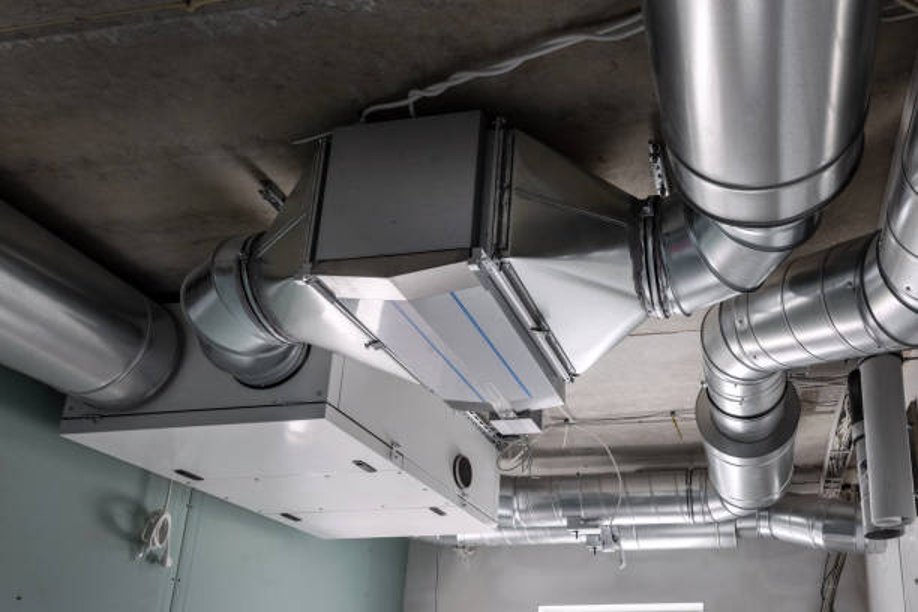
An Energy Recovery Ventilator (ERV) works similarly to an HRV but also transfers moisture. This means it can maintain comfortable humidity levels while supplying fresh air. ERVs are particularly useful in climates where both winter and summer humidity can be an issue.
ERVs prevent homes from becoming too dry in winter or too humid in summer. This helps protect furniture, wood floors, and even improves respiratory comfort for residents. Many modern ERVs are compatible with existing ventilation and heating systems for seamless integration.
Benefits Of Using An Energy Recovery Ventilator
ERVs offer unique benefits, especially in humid climates:
- Humidity Control: Transfers moisture to incoming air to maintain comfortable indoor humidity.
- Energy Savings: Reduces the load on heating and cooling systems by pre-conditioning the air.
- Improved Air Quality: Filters outdoor air, removing dust, pollen, and pollutants.
- Comfortable Indoor Environment: Keeps rooms feeling balanced without dry or damp air.
- Works With Mechanical Services: Integrates with existing mechanical services for efficient home climate control.
HRV Vs ERV: Which Is Right For Your Home?
Choosing between an HRV and an ERV depends on your climate, home layout, and personal comfort needs. Auckland homes, for example, benefit from moderate winters and warm, humid summers. This makes ERV a strong choice, but HRV can work well for homes prioritising heating efficiency.
Other factors to consider include compatibility with heat pumps, air conditioning, and the overall ventilation strategy in your house. Both systems improve indoor air quality and reduce energy loss, but your decision should consider humidity, space, and budget.
Checklist For Choosing The Right System
- Climate Consideration: Colder climates favour HRV, humid climates favour ERV.
- Home Size: Larger homes may need multiple units or ducted systems.
- Integration With Existing Systems: Consider how it works with hot water heating, heat pumps, or air conditioning.
- Maintenance: Check filters and yearly servicing requirements.
- Noise Levels: Modern units are quiet, but placement matters.
- Budget: ERVs may have slightly higher upfront costs but can save energy long-term.
Conclusion
Both HRV and ERV systems provide fresh air, remove pollutants, and improve home comfort. HRVs are ideal for colder climates where heat recovery is the priority, while ERVs are suitable for homes needing both heat and humidity control.
If you want to improve air quality and energy efficiency in your NZ home, consulting professionals is essential. At Sona Air, we design and install ventilation systems tailored to each property. Contact our team today to discuss the right HRV or ERV system for your home!
FAQs
1. What Is The Difference Between HRV And ERV
HRV transfers heat only, while ERV transfers both heat and moisture. HRV is ideal for cold climates; ERV works well in humid areas.
2. How Much Does It Cost To Install HRV Or ERV In NZ
Costs depend on home size and system complexity. Installation typically ranges from $3,000 to $8,000 for standard units in New Zealand.
3. Can HRV Or ERV Work With Heat Pumps
Yes, both systems can complement heat pumps to improve energy efficiency and indoor comfort.
4. How Often Do I Need To Clean HRV Or ERV Filters
Filters should be cleaned or replaced every 3-6 months, depending on usage and air quality.
5. Are ERVs Suitable For Auckland Homes
Yes. Auckland’s humid summers make ERVs an effective choice to maintain comfortable indoor humidity while providing fresh air.

Leave a Reply