

Winter in Auckland has a way of making this decision urgent. One minute you’re fine. The next you’re standing in front of a heat pump brochure wondering which is better, ducted or split system, and whether you’re about to waste a chunk of money either way. Fair question. Both heat and cool a Kiwi home well. They just do it in totally different ways, and the right pick usually comes down to your layout and your budget, and honestly, how much ceiling space you’re willing to give up.
We install both types across Auckland, Northland and Waikato. Here’s the honest breakdown, not the brochure version.
What’s the Real Difference?
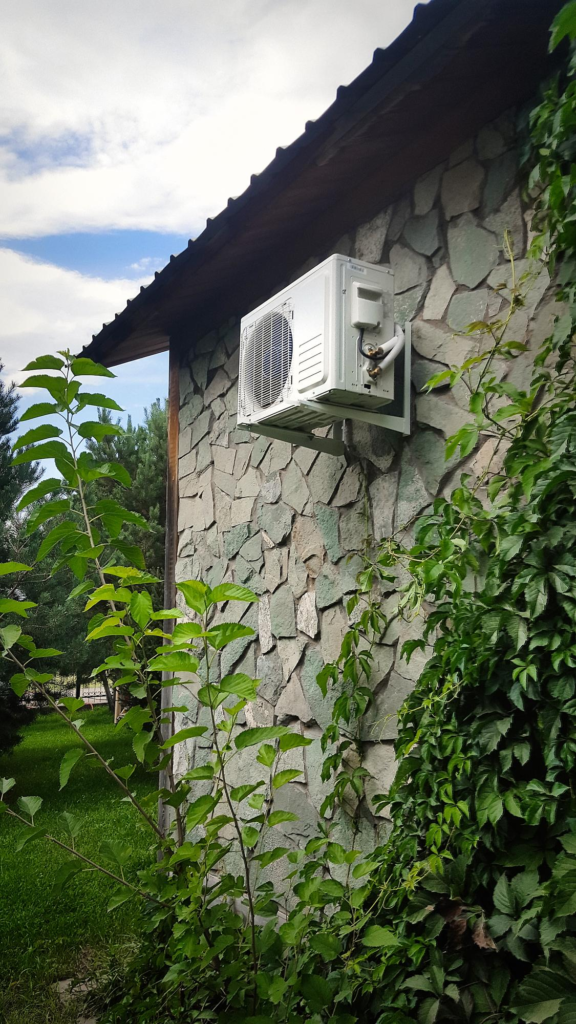
A split system heat pump is the one most Kiwi homes already have. One unit on the wall inside. A compressor outside. Refrigerant piping connects the two. Simple. Visible. It usually heats one room or an open-plan area really well.
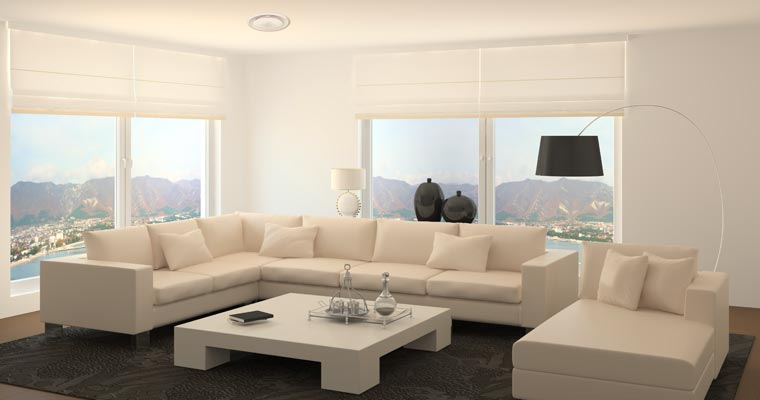
A ducted heat pump is a different beast. The whole unit hides in the ceiling space, and conditioned air travels through ductwork to vents in every room you’ve chosen to connect. No wall unit staring back at you. No compressor humming under a bedroom window. Just air, moving room by room, controlled from one panel.
Got one main living area to heat? A split system probably does the job for less money. Trying to warm the whole house evenly? That’s when ducted starts to make sense. That’s the debate, really, in two sentences.
So Which One Suits Your Place?
A proper site visit beats guesswork every time. A heat pump installation and maintenance assessment looks at your ceiling cavity, your insulation, and how you actually live in the place. Not just how many square metres you’ve got on paper.
Older villas and bungalows around Auckland tend to have tight ceiling space. That can rule out ducted, or push the cost up fast. Newer builds and renovations are usually planned with ducting in mind from the start, because it’s cheaper to do that way. If you’re renovating or building, talk to a design and build team early. Retrofitting ducting after the walls and ceilings are finished costs a lot more than building it in from day one.
Not sure which camp you’re in? Book a free consultation, and we’ll walk the space with you before you commit to anything.
Split systems suit open-plan living and smaller homes. They also suit anyone who only wants to heat a couple of zones without paying to heat the rest of the house. Faster to install, too. Easier to service down the track.
Ducted suits bigger homes and multi-storey layouts. It heats the whole home evenly and lets you zone different areas from one control panel. The trade-off? Higher upfront cost. Longer install.
The Cost Question, Straight Up
Split systems win on price almost every time. A single high-wall unit, sized right and installed properly, is the cheaper way to heat a living room or open-plan space. If budget’s driving the decision and you only need to heat part of the house, this is where most people land.
Ducted costs more upfront. Bigger unit, more ductwork, longer install day. But it heats the whole house from one system, and that can work out more efficiently than running three or four separate split units flat out through winter. Brands like Mitsubishi Electric build ducted systems that are genuinely efficient for whole-home heating. Not just adequate.
There’s no universal winner here. A two-bedroom apartment doesn’t need ducting. A five-bedroom house with a draughty hallway probably shouldn’t lean on one split unit and hope for the best.
Installation, Noise, and the Stuff Nobody Mentions
Split installs are quick. A few hours, minimal disruption, heating the lounge by the afternoon. Ducted installs take longer, often a full day or two, because there’s ceiling access to sort, ductwork to run, vents to place properly. Worth building into your timeline if you’re racing the cold snap.
Noise gets forgotten a lot. Split units have a visible fan blowing straight into the room. Some people notice it. Some don’t. Ducted pushes air through vents spread around the ceiling, so the sound spreads out too, and for a lot of households, that’s the quieter option overnight.
Maintenance differs. Split units are easy to reach for filter cleans. Ducted needs a technician up in the ceiling space, so bookings run a bit longer. Not dramatically pricier over the system’s life, just different.
Which One Wins, Then?
Neither, really. Split systems cost less, install faster, and work well for zoned heating in smaller spaces. Ducted costs more but heats a whole home evenly, and it keeps your walls and ceilings clear of visible units. Depends on your layout. Depends on your budget. Depends on whether you’re heating one room or the entire house.
Still weighing it up? Get someone out to look at the actual space before you decide anything. Call the Sona Air team on 09 945 3808, or book a free consultation, and we’ll tell you straight which system suits your home. Not just which one’s easier to sell.
Frequently Asked Questions
Usually not. Ducted heating shines when you’re heating multiple rooms or an entire floor plan. For a two or three bedroom home with mostly open-plan living, a well-sized split system heats the main areas for a fraction of the cost, and it’s a much smaller job.
Sometimes. Depends on ceiling cavity space. Older villas and bungalows can be tight up top, which limits ductwork runs or pushes the cost higher. A site assessment tells you fast whether it’s doable, or whether split units are just the more sensible route.
Not necessarily. One ducted system heating a whole house can use less power than running three or four separate split units at once, especially when the ducted system’s zoned properly so you’re not heating empty rooms for no reason.
With regular servicing, both types typically run 15 to 20 years. Skip the maintenance, and you’ll shorten that lifespan, no matter which system you’ve got.
Depends how much of the house you’re actually heating. Only use a room or two regularly? Separate split units cost less to run. Heat most of the house daily? One properly zoned ducted system often ends up more efficient than several units working independently.
Still not sure what fits your place? Call 09 945 3808 or book a free quote, and we’ll walk the property with you before you spend a cent.



Leave a Reply